I sang Dear Lord and Father of Mankind many times at school 60 years ago, but I’m not sure that I’ve sung it since then. I loved both the words and the tune without thinking much about what the words meant. I’m not sure why the phrase “Till all our strivings cease” popped into my head yesterday, but the phrase immediately connected me to “O still, small voice of calm.”
The turbulence in the world is probably what brought this hymn into my mind. The poem is the antithesis of Trump.
I’m not sure whom I address when I ask the “Lord and Father of mankind” to “Forgive our foolish ways!,” but I would like my foolish ways and those of others to be forgiven. But there’s little point in them being forgiven if we are not reclothed “in our rightful mind.” Does Trump have a “rightful mind”? I fear not. The whole of the first stanza means something to me: it’s a wonderful ask.
The second stanza means less, but we do need to “rise up.” I’ve omitted the third and fourth stanzas of the (or a) standard version, but the third stanza of the shortened version is another perfect ask. Who would not like “still dews of quietness” and are we not blessed that one day “all our strivings [will] cease?
The final stanza ends with the “still, small voice of calm.” Breathing through the “heats of our desire” and letting “sense be dumb” and “flesh retire” has Buddhist overtones. And how blessed we are that the “still, small voice of calm” will “speak through the earthquake, wind, and fire” that is the ravings of Trump, Steven Millar, and fascists and crypto-fascists.
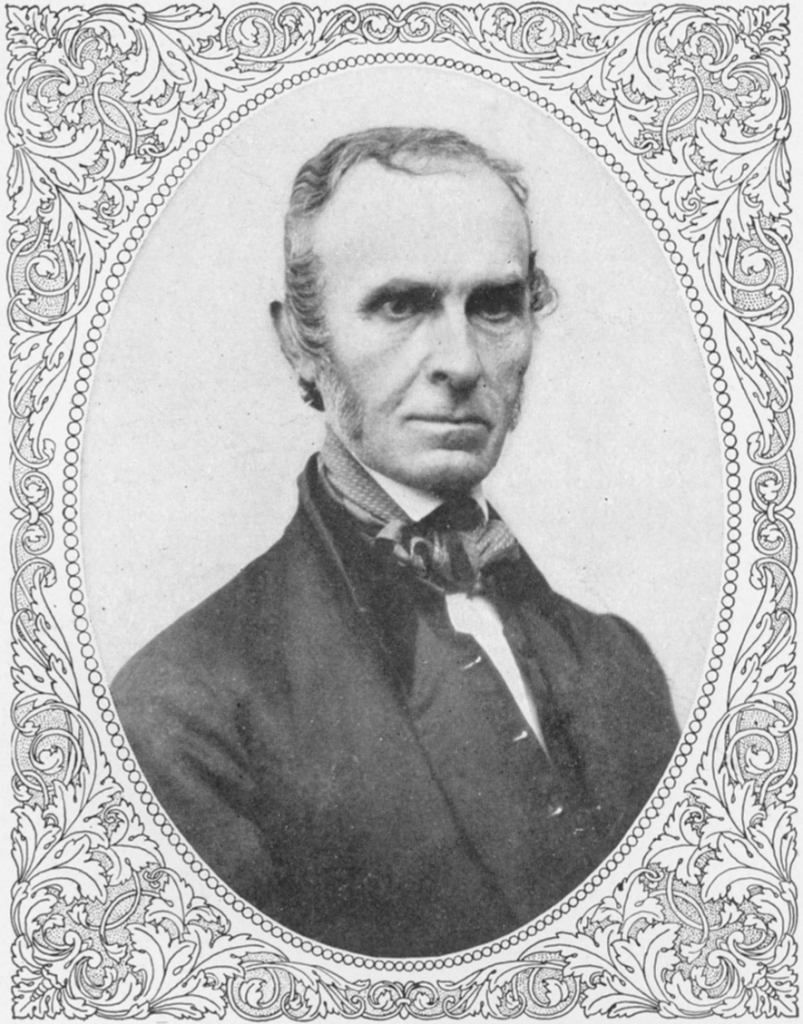
The hymen was written by John Greenleaf Whittier (1807-1892), an American Quaker, poet, abolitionist, and editor who was influenced by Robert Burns, who was no Quaker and had 12 children by four women. The words are taken from a longer poem, The Brewing of Soma. Soma is a drink from 2000BC that people drank in the hope of experiencing divinity. Whittier is urging instead of intoxication by soma the seeking of sobriety, stillness, selflessness, and peace to hear the “still, small voice” that is mentioned in Kings
“And behold, the Lord passed by, and a great and strong wind rent the mountains and broke in pieces the rocks before the Lord, but the Lord was not in the wind; and after the wind an earthquake, but the Lord was not in the earthquake.
And after the earthquake a fire, but the Lord was not in the fire; and after the fire a still small voice.”
In Britain we sing Dear Lord and Father of Mankind to the tune written Hubert Parry (1848-1918), who also write the tune for Jerusalem. I look forward to an opportunity to sing the hymn again.
Dear Lord and Father of Mankind by John Greenleaf Whittier
Dear Lord and Father of mankind,
Forgive our foolish ways!
Reclothe us in our rightful mind,
In purer lives Thy service find,
In deeper reverence, praise.
In simple trust like theirs who heard
Beside the Syrian sea
The gracious calling of the Lord,
Let us, like them, without a word
Rise up and follow Thee.
Drop Thy still dews of quietness,
Till all our strivings cease;
Take from our souls the strain and stress,
And let our ordered lives confess
The beauty of Thy peace.
Breathe through the heats of our desire
Thy coolness and Thy balm;
Let sense be dumb, let flesh retire;
Speak through the earthquake, wind, and fire,
O still, small voice of calm.
 A Cairn of Poems
Leave a comment